
Ensuring Sweet Dreams: Your Guide to the Safest Baby Blanket Materials
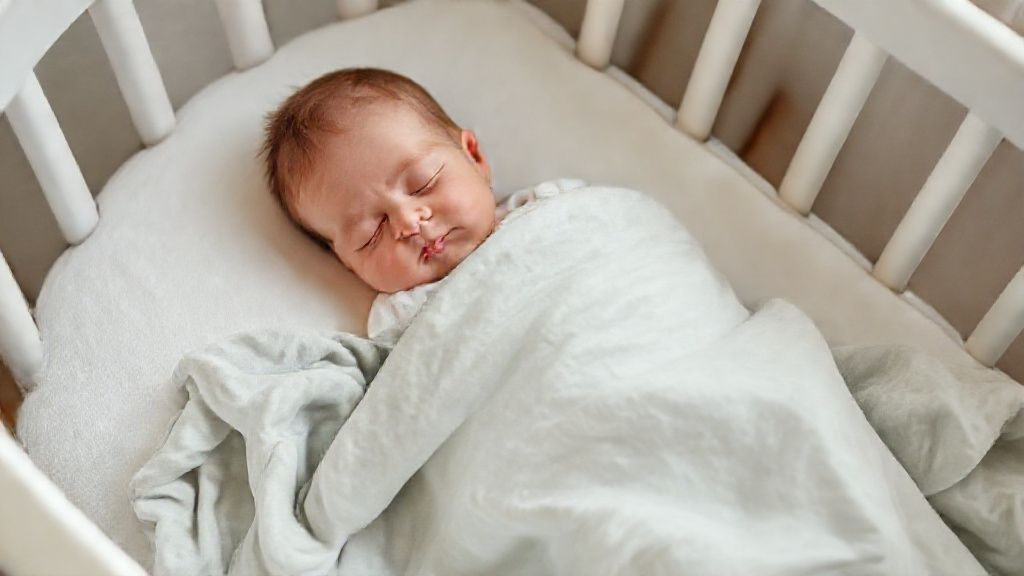
Bringing a new baby home is a whirlwind of joy, excitement, and a fair share of worry. Every parent wants to wrap their little one in comfort and security. But choosing the right baby blanket? That can feel like a minefield.
Concerns about breathability, chemicals, and potential hazards often keep new parents up at night. You're not alone in feeling overwhelmed. The good news is, understanding what makes a blanket truly safe is simpler than you think.
This guide cuts through the noise. We'll lay out the facts, highlighting the best materials and crucial safety tips. Arm yourself with this knowledge, and you'll be able to pick blankets with confidence, giving you and your baby peace of mind.
Understanding 'Safe': What Makes a Baby Blanket Truly Safe?
Before we dive into specific fabrics, let's get clear on what "safe" actually means for a baby blanket. It’s more than just soft. A safe blanket actively contributes to a healthy, secure sleep environment for your infant.
Primarily, safety hinges on breathability and the absence of harmful substances. These two factors are non-negotiable for tiny lungs and delicate skin.
Preventing overheating and exposure to toxins should be top of your list. Anything else is just gravy.
Breathability
Breathability: The ability of a fabric to allow air to pass through it easily. For baby blankets, high breathability is crucial to prevent overheating and reduce the risk of rebreathing exhaled air, which can contribute to Sudden Infant Death Syndrome (SIDS).
A blanket that breathes well ensures good airflow around your baby. This helps regulate their body temperature, stopping them from getting too hot. Overheating is a serious concern for infants, linked to an increased risk of SIDS. Always aim for lightweight, airy options.
Non-Toxic Materials
Babies explore with their mouths. Everything goes in there. That's why the chemical makeup of their blankets matters a whole lot. Harmful dyes, pesticides, and flame retardants have no business near your little one.
Look for materials that are naturally grown and processed without harsh chemicals. Certifications like GOTS (Global Organic Textile Standard) or Oeko-Tex Standard 100 are your best friends here. They act as a seal of approval, telling you the fabric is clean and safe.
Minimizing Choking Hazards
Beyond the material itself, consider the blanket's construction. Loose threads, decorative embellishments like buttons or tassels, and shedding fibers are all potential choking risks. Keep it simple. Less is definitely more when it comes to infant safety.
The Best Choices: Top Safest Baby Blanket Materials
When you're ready to pick out that perfect snuggle buddy, these materials consistently rise to the top for safety, comfort, and durability. They're tried and true for a reason.
Organic Cotton: The Gentle Giant for Sensitive Skin
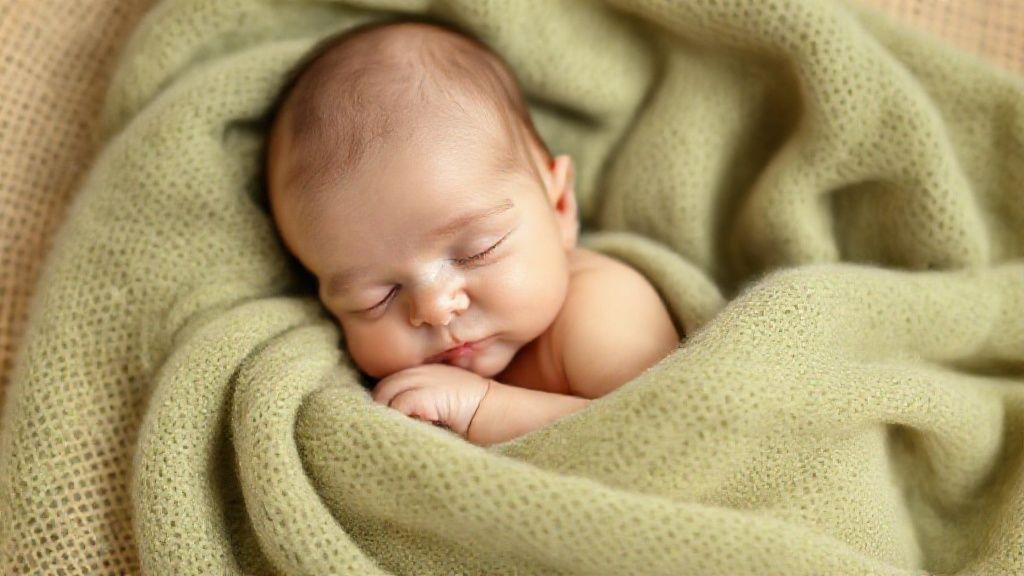
Organic cotton is a perennial favorite, and for good reason. It’s incredibly soft, naturally breathable, and free from the harsh chemicals often used in conventional cotton farming.
The fibers are grown without synthetic pesticides or fertilizers. This makes it a fantastic choice for babies with sensitive skin or allergies. Look for GOTS certified organic cotton for the highest assurance of purity from farm to finished product.
Bamboo Fabric: Silky Smooth and Sustainable Comfort
Bamboo fabric, often labeled as "rayon from bamboo," feels like a dream. It's wonderfully soft, almost silky, and boasts excellent temperature-regulating properties. This means it keeps your baby cozy when it's cool and comfortably cool when it's warm.
It's also naturally hypoallergenic and has moisture-wicking capabilities, drawing sweat away from the skin. Bamboo is a fast-growing, sustainable resource, making it an eco-conscious choice for many parents.
Muslin: Lightweight, Breathable, and Versatile
Muslin is a loosely woven cotton fabric, celebrated for its exceptional breathability. It’s super lightweight, almost airy, and gets softer with every wash. That’s a win-win.
It’s perfect for swaddling newborns, providing a secure feeling without the risk of overheating. Its versatility makes it a staple for everything from nursing covers to burp cloths.
Merino Wool: Natural Warmth and Moisture-Wicking Properties
Don't let the word "wool" scare you. Merino wool is surprisingly soft, not itchy like traditional wool. It's a natural wonder, offering superior temperature regulation. This means it can keep babies warm in cold weather and help cool them down in warmer conditions.
Merino also naturally wicks moisture away from the skin, preventing clamminess. It's naturally flame-resistant, too, an added bonus for safety. Just make sure it's a fine-gauge merino for maximum softness.
Hemp Fabric: Durable, Eco-Conscious, and Softening with Time
Hemp fabric is a true underdog. It's incredibly durable and becomes wonderfully soft with each wash, much like linen. Environmentally, it's a superstar, requiring little water and no pesticides to grow.
It’s also naturally antimicrobial, resisting mold and mildew. While it might start a little stiffer than cotton, its long-lasting quality and eco-credentials make it a fantastic choice for the long haul.
Microfleece: A Cozy, Safe Synthetic Option (with Caveats)
Microfleece can be a good option for older infants, especially for stroller rides or tummy time. It’s soft, lightweight, and provides warmth without being overly bulky.
The key is "micro." Avoid thick, heavy fleece which can pose an overheating risk. Always choose non-pilling varieties and ensure it’s not used for unsupervised sleep, particularly for newborns. It’s a synthetic, so it won't have the natural breathability of cotton or bamboo.
Key Factors for Choosing a Safe Baby Blanket
Beyond the raw material, a few other considerations play a big role in a blanket’s overall safety and suitability. Keep these points in mind when you’re out shopping.
Breathability: Essential for Airflow and Preventing Overheating
Seriously, this can't be stressed enough. A breathable blanket lets air flow freely, reducing the risk of overheating and rebreathing carbon dioxide. This is crucial for SIDS prevention. A good rule of thumb: if you can easily breathe through the fabric yourself, it’s probably breathable enough for your baby.
Hypoallergenic Properties: Protecting Sensitive Skin and Allergies
Hypoallergenic: Designed to reduce or minimize the possibility of an allergic response by containing fewer allergy-producing substances.
Babies have incredibly delicate skin. Choosing hypoallergenic materials helps prevent irritation, rashes, and allergic reactions. Natural fibers like organic cotton and bamboo are often excellent choices for babies prone to skin sensitivities or eczema.
Non-Toxic Dyes and Chemicals: What to Look For (and Avoid)
This is a big one. Many textiles are treated with chemicals during production—dyes, bleaches, softeners, and even flame retardants. Some of these can be harsh and potentially harmful to infants. Always seek out blankets with non-toxic dyes and no added chemicals.
Certifications are your best bet here. They verify that the manufacturing process is clean and the final product is free from a long list of harmful substances. Don't take chances with this stuff.
Durability and Washability: Practicality for Busy Parents
Let's be real: baby blankets get dirty. Fast. Spit-up, diaper blowouts, crumbs—you name it. A good baby blanket needs to stand up to frequent washing without losing its shape, softness, or integrity.
Easy care is a huge plus for any busy parent. Check washing instructions before you buy. If it’s high-maintenance, it might not be the right fit for daily use.
Temperature Regulation: Keeping Baby Just Right in Any Climate
Some materials are better at this game than others. Merino wool and bamboo, for instance, are champions at thermoregulation. They adapt to the environment, keeping your baby comfortable whether it’s a cool evening or a slightly warmer day. This helps prevent swings in body temperature, which is good for baby’s sleep.
Certifications to Trust: Your Guide to Verified Safety Standards
These labels are more than just fancy stamps; they're proof. They mean a third party has rigorously tested the product against strict safety and environmental standards.
GOTS (Global Organic Textile Standard): This is the gold standard for organic fibers. It ensures that textiles are made with organic raw materials and are processed environmentally and socially responsibly.
Oeko-Tex Standard 100: This certification guarantees that textiles are free from harmful substances at every stage of production. If a product has this label, you know it's safe for human ecological terms, especially for babies.
| Material | Breathability | Hypoallergenic | Temperature Regulating | Key Benefit |
|---|---|---|---|---|
| Organic Cotton | Excellent | Yes | Good | Soft, chemical-free, classic choice. |
| Bamboo Fabric | Excellent | Yes | Excellent | Silky soft, highly sustainable, moisture-wicking. |
| Muslin | Superior | Yes | Good | Lightweight, very breathable, ideal for swaddling. |
| Merino Wool | Excellent | Yes | Superior | Exceptional thermoregulation, naturally flame-resistant. |
| Hemp Fabric | Good | Yes | Good | Durable, eco-friendly, softens with age, antimicrobial. |
Materials to Approach with Caution (or Avoid Entirely)
Just as there are top-tier choices, some materials and blanket types come with red flags. It's smart to know what to steer clear of to keep your baby safe as houses.
Heavy or Overly Warm Fabrics: The Overheating Risk
Thick, heavy blankets might look cozy, but they can quickly lead to overheating in infants. A baby's immature body struggles to regulate temperature. A blanket that's too warm can raise their core temperature dangerously, increasing the risk of SIDS.
Always opt for lightweight layers. If you're cold, add an extra layer to yourself, not a heavy blanket to the baby's crib.
Loose Weaves and Shedding Fibers: Potential Choking Hazards
Picture a shaggy throw or a blanket with large, open holes. These can be dangerous. Loose weaves or blankets that shed a lot of fibers can become inhalation or choking hazards for curious little hands and mouths. Likewise, steer clear of blankets with attached pompoms, tassels, or other decorative bits that could easily come off.
Fabrics Treated with Harsh Chemicals or Flame Retardants
Many conventional textiles are doused in chemicals. Flame retardants, for example, were once thought to be a good idea, but research has shown they can be detrimental to a baby's developing body. These chemicals can off-gas and be absorbed through the skin or inhaled.
Always prioritize blankets that are certified free from these nasty additives. Natural fibers like merino wool are often naturally flame-resistant, offering a safer alternative without chemical treatments.
Essential Baby Blanket Safety Guidelines
Choosing the right material is half the battle. How you use and care for that blanket is equally important. These guidelines are paramount for creating a truly safe sleep environment.
Safe Sleep Practices: Minimizing SIDS Risk with Blankets
The American Academy of Pediatrics (AAP) strongly recommends that infants sleep on their backs, on a firm sleep surface, and in a crib or bassinet free of loose bedding. That includes blankets. For babies under 12 months, loose blankets pose a suffocation risk and can increase the chance of SIDS.
Instead, opt for sleep sacks or wearable blankets. These provide warmth without the risk of covering your baby's face. Keep the crib bare. It's truly the safest option.
Age-Appropriate Usage: When and How to Introduce Blankets
Newborns (0-3 months): Swaddling with a lightweight, breathable muslin or organic cotton blanket is great. Always place them on their back. Stop swaddling once they show signs of rolling over.
Infants (3-12 months): Avoid loose blankets in the crib. A sleep sack or wearable blanket is your go-to.
Toddlers (12+ months): Once your child is over a year old, and you feel they can safely maneuver a blanket away from their face, a small, lightweight blanket can be introduced. Still, prioritize breathability.
Washing and Care: Maintaining Hygiene and Material Integrity
Regular washing is key for hygiene, especially with newborns. Always follow the manufacturer's care instructions for each blanket to maintain its softness and integrity. Use gentle, baby-safe detergents that are free of dyes and perfumes to avoid skin irritation.
Air drying when possible is often best for natural fibers, extending their life and preserving their delicate qualities. If using a dryer, tumble dry on low heat.
Frequently Asked Questions About Baby Blanket Safety
What is the safest material for a newborn blanket?
For newborns, lightweight, breathable materials like organic cotton muslin or bamboo are often recommended. They are soft, gentle on delicate skin, and crucial for preventing overheating.
Are fleece blankets safe for babies?
Lightweight microfleece can be safe for babies, especially for older infants or supervised use. Always avoid heavy, thick fleece that could lead to overheating or pose a suffocation risk. It's best used for warmth outside the crib.
How do I know if a blanket is breathable enough?
A simple test: hold the blanket up to your face. If you can breathe easily through it, it's likely breathable enough for your baby. Look for lightweight, loosely woven fabrics, like muslin or open-weave cotton.
Should babies sleep with blankets?
For infants under 12 months, it's generally recommended to avoid loose blankets in the crib to reduce the risk of SIDS and suffocation. Sleep sacks or wearable blankets are much safer alternatives for providing warmth.
What certifications should I look for when buying baby blankets?
Look for certifications like GOTS (Global Organic Textile Standard) for organic materials and Oeko-Tex Standard 100. These labels ensure textiles are free from harmful substances and processed responsibly, giving you peace of mind.
Conclusion: Rest Easy with Safe Choices for Your Little One
Picking the safest baby blanket material doesn't have to be a guessing game. You're now equipped with the knowledge to make informed decisions. Prioritize natural, breathable, and non-toxic options. Always remember safe sleep practices.
With organic cotton, bamboo, muslin, or merino wool, you’re on the right track. Certifications like GOTS and Oeko-Tex Standard 100 offer that extra layer of assurance. By following these simple guidelines, you can rest easy, knowing your little one is snuggled safely and soundly.
Sweet dreams are just around the corner for everyone in the family.