
What Are Safe Sleep Rompers and Why Do They Matter?
You want nothing more than for your little one to sleep soundly and safely. The thought of anything disrupting that peace? It's enough to keep any parent up at night. One common worry revolves around baby sleepwear: what's truly safe?
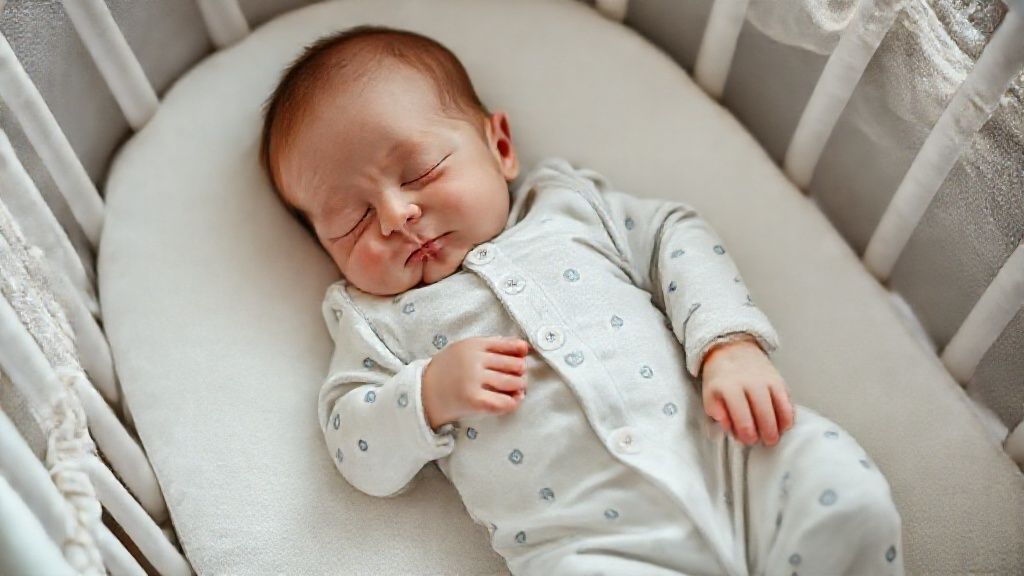
Enter the safe sleep romper. Think of it as your baby's cozy, all-in-one pajamas, specifically designed with safety in mind. These aren't just cute outfits; they're a crucial part of creating a secure sleep environment, offering peace of mind where loose blankets once caused concern.
Sleep Romper: An all-in-one garment for infants, designed for sleep, typically covering the torso, arms, and legs. It's meant to be worn directly on the baby, eliminating the need for loose bedding in the crib.
The problem is clear: traditional loose blankets pose a suffocation risk for infants. This isn't just an old wives' tale; it’s a serious safety concern. The solution is simple: swap those blankets for appropriate, well-fitting sleepwear. Safe sleep rompers fit the bill perfectly. They keep babies warm without the entanglement hazards of loose bedding.
Choosing the right romper goes a long way. It ensures your baby stays snug, comfortable, and, most importantly, safe. It’s about more than just fabric; it’s about thoughtful design that supports healthy sleep practices right from day one.
Creating the Ultimate Safe Sleep Environment for Your Baby
A safe sleep environment is the bedrock of infant well-being. It’s not just about what your baby wears, but where and how they sleep. Getting this right is a big deal. Every parent wants to hit a home run when it comes to their baby's safety.
Let's talk basics. Always lay your baby down on their back. Use a firm mattress in a crib, bassinet, or play yard that meets current safety standards. And keep that sleep space clear. No bumpers, no soft toys, no loose blankets. Ever.
Understanding SIDS and How to Reduce Risks
Sudden Infant Death Syndrome (SIDS) is every parent's nightmare. It’s the unexplained death of a seemingly healthy baby younger than one year old. The good news? We know a lot more about reducing its risk now than we used to.
The "Back to Sleep" campaign, now known as "Safe to Sleep," changed the game. Putting babies on their back to sleep has dramatically cut SIDS rates. It’s the single most effective action you can take. Don't let your baby sleep on their tummy or side.
Beyond positioning, keep the crib clear. Soft objects can block a baby's airway. Overheating also plays a role. Think of it like this: a clear, cool space is a safe space. For comprehensive guidelines, check out resources from the National Institute of Child Health and Human Development. They've got the lowdown.
The Goldilocks Zone: Ideal Room Temperature for Baby Sleep
Not too hot, not too cold – just right. That's the sweet spot for your baby's sleep environment. Overheating is a SIDS risk factor. A room temperature between 68-72°F (20-22°C) is generally considered optimal.
How do you tell if your little one is comfortable? Feel their chest or back. They should feel warm, not sweaty or clammy. Cool hands and feet are normal, but a cold chest means they might need another layer. Adjust their sleepwear – like their romper – to match the room temperature, not the outside weather. It’s all about balance.
Choosing the Right Romper: Styles, Materials, and SizingAlright, you’re on board with safe sleep. Now, let’s get down to the nitty-gritty of picking the perfect romper. It's more than just aesthetics; it's about comfort, safety, and practicality. You want a romper that fits like a glove and keeps your baby safe.
There's a whole world of rompers out there. Understanding the differences in styles, materials, and crucial sizing will help you cut through the noise. Don't just grab the first cute one you see.
Exploring Different Styles of Baby Sleep Rompers
Rompers come in various flavors. Each has its pros and cons, depending on your baby’s age, the season, and even your personal preference for diaper changes. Here's a quick rundown:
| Style Feature | Pros for Sleep | Cons/Considerations |
|---|---|---|
| Footed Rompers | Keeps tiny feet warm, no need for socks. Simple. | Can restrict foot growth if too small. May cause overheating in warmer temps. |
| Footless Rompers | Allows for natural foot movement. Versatile for varying temperatures. | Feet might get cold; socks could be needed. |
| Zipper Closures | Quick and easy diaper changes, especially at night. Less fumbling. | Ensure zipper guard is present to protect baby's skin. |
| Snap Closures | Can allow for partial opening during changes. Durable. | More time-consuming for middle-of-the-night changes. Snaps can be tricky in the dark. |
Short sleeves? Long sleeves? It depends on the room temperature. Always prioritize breathability and comfort over elaborate designs.
The Best Fabrics for Baby Sleepwear: Comfort Meets Safety
Fabric choice isn't just about softness. It's a major safety factor. Your baby’s delicate skin needs breathable, non-irritating materials. Synthetic fabrics might look cute, but they often trap heat. That's a no-go.
Organic Cotton: The gold standard. It's soft, breathable, and minimizes exposure to harsh chemicals. A good choice for sensitive skin.
Bamboo: Silky smooth and naturally thermoregulating. It wicks away moisture, keeping baby cool in summer and warm in winter. Bonus points for being eco-friendly.
Merino Wool: Don’t let "wool" scare you! Merino is incredibly fine, soft, and excellent at regulating temperature. It’s naturally breathable and resists odor.
Look for OEKO-TEX or GOTS certifications. These labels mean the fabric has been tested for harmful substances, giving you extra peace of mind. The OEKO-TEX Standard 100 is a fantastic benchmark for textile safety.
Getting the Perfect Fit: Romper Sizing for Infants
Sizing can be a head-scratcher. Babies grow like weeds, and brands vary widely. A romper that's too big can bunch up around the face, posing a suffocation risk. One that's too small can restrict movement and be plain uncomfortable. It's a fine line.
Always check the brand's specific size chart. Don’t just go by age; weight and height are better indicators. A good fit means the romper isn't baggy, especially around the neck and chest. It should allow for full range of motion without being tight. If it looks like your baby is swimming in it, size down. If it looks like they're stuffed into a sausage casing, size up. Simple as that.
Seasonal Smart Choices: Dressing Baby for Sleep Year-Round
Your baby's sleepwear needs change with the seasons. It’s not one-size-fits-all. In summer, light, breathable fabrics like cotton or bamboo are your best friends. A short-sleeved or footless romper might be ideal. When it gets chilly, a long-sleeved, footed romper in a slightly thicker cotton or merino wool works wonders.
Layering is key. Think of it like dressing yourself. A thin cotton bodysuit under a romper can add warmth without bulk. Remember the "one more layer than you" rule of thumb, but always check your baby's temperature. You’ll become a pro at this balancing act in no time.
Rompers vs. The Rest: A Comparison of Baby Sleepwear OptionsThe world of baby sleepwear offers choices galore. Rompers are great, but they're not the only game in town. Understanding how they stack up against other popular options helps you make the best call for your family. It's about finding what clicks for your little one.
Rompers vs. Sleep Sacks: Which is Best for Your Baby?
This is a common debate in parent circles. Both rompers and sleep sacks are designed to keep babies warm safely, replacing loose blankets. But they have distinct features.
Sleep sacks (also called wearable blankets) are essentially bags with armholes. They leave the legs free inside, allowing for natural hip development and movement. They're great for babies who kick off blankets or need a bit more room to wiggle. Sacks come in various TOG (Thermal Overall Grade) ratings, making temperature regulation a breeze.
Rompers offer a more contained feel. They fit snugly, often with footed options. They can be easier for travel or if your baby prefers a more "dressed" feel. Many parents find rompers simpler for daytime naps or as a base layer under a sleep sack in colder weather. Both are excellent safe sleep choices; it often comes down to personal preference and your baby's comfort.
Pajamas vs. Rompers: Understanding the Differences for Sleep
What's the difference between a pajama set and a romper? It's often subtle, but important for sleep safety. Traditional pajamas usually come as two pieces: a top and a bottom. While adorable, two-piece PJs can sometimes ride up, exposing your baby's midsection or potentially creating loose fabric.
Rompers, being one-piece, eliminate this issue. They stay put, ensuring consistent warmth and no fabric bunching. For infants, especially those who aren't yet mobile, the one-piece design of a romper is generally preferred for sleep. As babies get older and more active, two-piece pajamas become more practical for lounging and sleep.
Key Safety Features to Look For in Infant Sleepwear
When you're out shopping, don't just look for cute patterns. Keep these critical safety features in mind:
Snug Fit: The garment should fit well, not too tight or too loose. Loose fabric is a potential hazard.
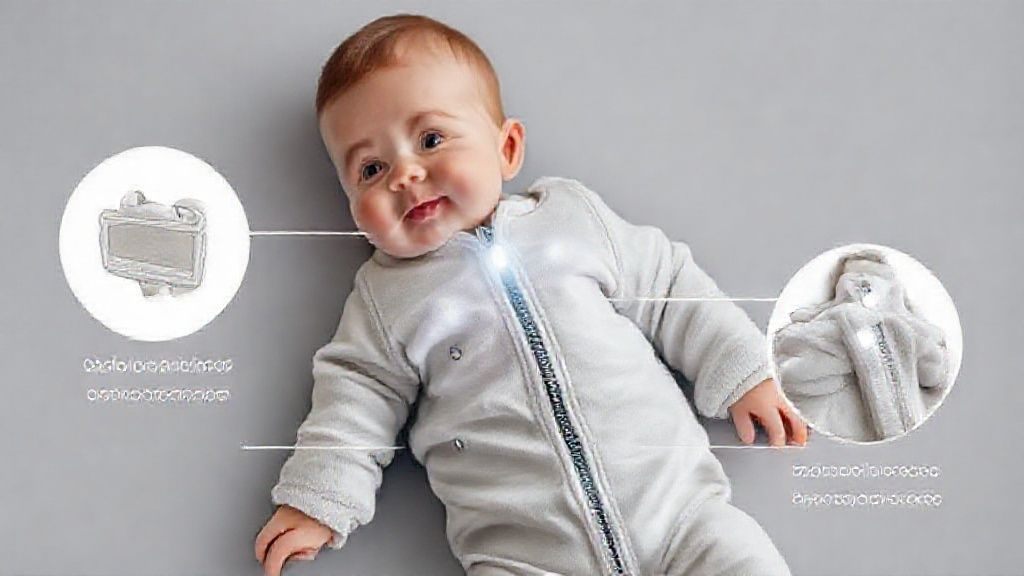
Zipper Guards: If it has a zipper, ensure there's a fabric guard at the top to prevent pinching baby's skin.
No Loose Embellishments: Buttons, bows, or other decorations can come off and become choking hazards. Steer clear for sleepwear.
Flame Resistance: Some sleepwear is treated for flame resistance, while others achieve it through a snug fit. Always check the label. The CPSC (U.S. Consumer Product Safety Commission) has clear guidelines on children's sleepwear flammability standards.
Soft Seams: Rough seams can irritate delicate skin, leading to discomfort and disrupted sleep.
These small details make a world of difference. They ensure your baby is not just comfortable, but truly safe, giving you a chance to catch some Zs yourself.
Making Informed Choices for Your Baby's Safe and Sound Sleep
Parenthood is a wild ride, full of decisions big and small. When it comes to your baby’s sleep, making informed choices isn't just a suggestion; it’s a mandate. You're doing a great job by diving deep into topics like safe sleep rompers. It shows you're committed to giving your little one the very best start.
Remember the core principles: back to sleep, clear crib, and appropriate sleepwear. A well-chosen romper is a powerful tool in your safe sleep arsenal. It removes the blanket dilemma, helps regulate temperature, and provides that comforting, snug feeling babies often crave. Trust your gut, but back it up with solid knowledge.
Every baby is different, so what works for one might not work for another. Be flexible, observe your baby’s cues, and adjust their sleep environment and clothing accordingly. With a little knowledge and a lot of love, you'll create a haven where your baby can sleep like a log, and you can rest easy knowing they're safe.
Frequently Asked Questions About Safe Sleep Rompers
Are rompers safe for newborns to sleep in?
Absolutely! Rompers are a fantastic choice for newborns, provided they fit well and are made from breathable materials. In fact, for newborns, a one-piece romper eliminates the need for any loose blankets, which is crucial for SIDS prevention. Just make sure it’s snug but not tight, especially around the neck, and doesn't have any loose embellishments.
What's the difference between a sleep romper and a sleep sack?
Both are great for safe sleep. A sleep romper is an all-in-one outfit, like pajamas, that covers arms and legs (sometimes including feet). A sleep sack, or wearable blanket, is typically a sleeveless bag that goes over your baby's regular sleepwear, leaving their arms free and their legs enclosed in a wider, looser space. Rompers are the primary layer; sleep sacks are an outer layer for warmth.
How do I know if my baby is too hot or cold in their romper?
Don't go by their hands or feet; they're often cooler. Instead, feel your baby's chest or back. They should feel warm and dry, not sweaty or clammy (too hot) or cold to the touch (too cold). Adjust layers or room temperature as needed. A good rule of thumb: dress your baby in one more layer than you'd wear to be comfortable in the same room.
Can babies wear rompers with feet to sleep?
Yes, footed rompers are generally safe for sleep. They’re excellent for keeping tiny toes warm without needing socks, which can fall off or become a hazard. Just ensure the feet aren't too tight, which could restrict growth or movement. Also, consider the room temperature; in very warm rooms, footless options might prevent overheating.
How often should I wash my baby's sleep rompers?
Think of them like any other garment worn close to the skin. It's best to wash them after each use, or at least every other use, especially if your baby tends to spit up, drool, or have diaper leaks. Regular washing ensures hygiene and keeps the fabric fresh and soft against your baby's delicate skin.